
Japan is one of the world’s most captivating destinations, celebrated for its dynamic cities, rich history, and impeccable blend of tradition and modernity. Many travelers flock to Tokyo, Osaka, and Kyoto, yet the country’s most profound beauty often lies in the lesser-known areas where everyday life moves at a gentler pace. Before diving deep into Japan’s hidden gems, it’s interesting to note that even casual mobile players in the Philippines often enjoy games like Tongits Zingplay, showing how leisure and culture can accompany travel in simple, comforting ways.
Japan’s vast archipelago is filled with extraordinary places that go far beyond the typical tourist route. Whether you’re seeking cultural immersion, natural scenery, or rare experiences, exploring these overlooked destinations offers a more meaningful adventure.
 The Allure of Japan’s Untouched Culture
When you stray from the major travel hubs, you discover communities that have preserved the essence of traditional Japanese life. Rural towns, small islands, and historic districts showcase customs, architecture, and rituals that remain unchanged for centuries.
Timeless Villages That Portray Old Japan
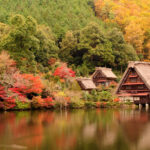
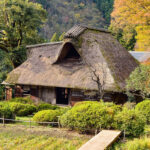
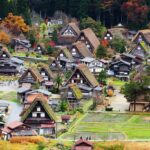
Shirakawa-go, located in Gifu Prefecture, is well-known, but other small villages offer just as much charm without the crowds. Places like Tsumago-juku in the Kiso Valley maintain Edo-period wooden buildings, stone pathways, and peaceful views surrounded by cedar forests. Walking through these towns feels like stepping into the past—no neon lights, no towering skyscrapers, just authentic Japanese charm.
The slower pace lets visitors experience local hospitality, whether through a small family-run ryokan, a cup of fresh matcha, or a traditional craft workshop guided by artisans who learned their skills from generations before them.
Japan’s Natural Wonders Away From Major Cities
Japan’s beauty extends far beyond its urban landscapes. The countryside offers a variety of breathtaking natural escapes that remain untouched by heavy tourism.
Hidden Islands With Pristine Shorelines
While Okinawa and Hokkaido are popular, Japan has hundreds of smaller islands with unique ecosystems, cultural identities, and minimal tourism. Islands such as Amami Oshima or Yakushima feature lush forests, turquoise waters, and rare wildlife. Yakushima especially stands out for its ancient cedar trees, some surpassing 2,000 years in age, creating a mysterious atmosphere unlike anywhere else.
Scenic Countryside Perfect for Slow Travel
The Wakayama region, for instance, is filled with beautiful coastlines and sacred sites. The Kumano Kodo pilgrimage route takes travelers through mountain trails once walked by emperors and monks. It is now a peaceful experience for hikers who seek both nature and spiritual meaning.
Niigata Prefecture, known for its snow-capped mountains and rice terraces, offers superb hot springs and quaint towns. These regions offer a balance of relaxation, exploration, and fresh local cuisine.
Small Towns With Big Cultural Stories
Rural Japan’s Festive Traditions
One thing many travelers overlook is the lively local festivals held year-round across Japan. Smaller towns often host matsuri (festivals) that are more intimate than those in larger cities. You can witness traditional dances, lantern processions, taiko drum performances, and local food stalls—each reflecting centuries of cultural heritage.
The Takayama Festival in the mountain town of Takayama, for example, is known for its intricate floats and vibrant atmosphere. Meanwhile, Aomori’s Nebuta Matsuri features massive illuminated figures paraded through the streets. Experiencing festivals in smaller prefectures offers a deeper connection to local communities.
Exploring Cultural Crafts and Unique Local Art
Off-the-beaten-path travel in Japan is also ideal for discovering unique crafts, workshops, and museums that highlight the country’s creativity.
Meeting Local Artisans and Learning Their Craft
Pottery towns such as Mashiko and Shigaraki allow visitors to try their hand at crafting ceramics. These small towns are home to kilns that have existed for hundreds of years, run by master artisans who offer workshops and firsthand demonstrations.
Similarly, you’ll find traditional papermaking in Ehime, handcrafted knives in Tottori, and lacquerware artisans in Ishikawa. Each region has its own remarkable identity shaped by its craft.
Japan’s Rural Cuisine: Simple, Fresh, and Unforgettable
One of the best reasons to explore the hidden corners of Japan is the opportunity to taste regional food unavailable in major cities. Local specialties reflect agricultural traditions, fishing styles, and seasonal ingredients unique to each area.
A Culinary Journey Through Rural Japan
Whether it’s fresh seafood from the Sea of Japan, mountain vegetables from Nagano, or miso-based dishes in Aichi, each region offers flavors that represent its history. Travelers often discover lesser-known dishes that leave unforgettable impressions—like Ayu (sweetfish), Hida beef, or soba made from mountain-grown buckwheat.
These meals don’t just satisfy hunger; they offer insight into how people live, cook, and celebrate the land they call home.
Why Hidden Japan Offers a More Meaningful Travel Experience
While Japan’s major tourist destinations are undeniably beautiful, exploring its hidden regions encourages deeper cultural appreciation. Travelers can connect with residents, observe local customs, and experience life from a slower perspective.
The Value of Immersive Travel
Immersive travel fosters greater understanding. It promotes respect for the environment, supports local businesses, and spreads tourism more evenly across the country. Travelers also return home with richer stories, unique insights, and a deeper love for Japan’s diversity.
Journeys off the beaten path remind us that adventure is not only in famous landmarks but also in simple, quiet places where culture thrives naturally.