
Japan is a country where ancient traditions coexist seamlessly with futuristic skylines. In cities filled with neon lights, high-speed trains, and cutting-edge technology, visitors can still find centuries-old temples, tea ceremonies, and seasonal festivals thriving in the heart of urban life. Exploring traditional Japanese culture in modern cities offers travelers a unique opportunity to experience the past and present at the same time.
For anyone planning a cultural journey to Japan, understanding how tradition survives and evolves in major metropolitan areas like Tokyo, Kyoto, and Osaka provides deeper insight into what makes the country so captivating.
In a world where entertainment and digital engagement shape lifestyles, even leisure activities such as exploring online platforms like Spinplus PH show how global digital culture intersects with traditional travel experiences in today’s interconnected society.
The Harmony Between Old and New
 One of the most fascinating aspects of Japan is its ability to preserve heritage while embracing innovation. Skyscrapers may dominate the skyline, but hidden between office buildings are Shinto shrines and Buddhist temples that date back hundreds of years.
This contrast is not accidental. Japanese society places great importance on respecting history and maintaining cultural continuity. Rather than replacing old customs, modern development often integrates them. It is common to see business professionals stopping at a shrine during lunch breaks or families visiting temples during traditional holidays.
This harmonious blend allows visitors to experience authentic cultural practices without leaving the city.
Temples and Shrines in Urban Centers
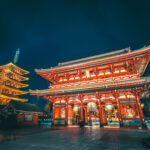
Even in bustling cities, sacred spaces offer moments of tranquility. In Tokyo, districts like Asakusa are home to historic temples where visitors can observe rituals, purchase protective charms, and participate in seasonal ceremonies.
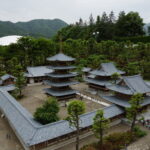
Kyoto, often regarded as Japan’s cultural heart, preserves numerous UNESCO-listed temples surrounded by modern infrastructure. Here, travelers can witness monks performing daily prayers while commuters pass by on nearby streets.
These spiritual landmarks serve as living reminders of Japan’s deep-rooted traditions, proving that cultural preservation remains central to national identity.
Traditional Arts in Contemporary Settings
Modern Japanese cities also keep traditional arts alive. Kabuki theaters operate in metropolitan districts, offering classical performances to both locals and tourists. Tea houses continue to host tea ceremonies that follow precise rituals passed down through generations.
Workshops in urban neighborhoods allow visitors to learn calligraphy, ikebana (flower arrangement), and pottery. These experiences provide hands-on opportunities to connect with Japanese aesthetics and philosophy.
The popularity of these activities demonstrates that tradition remains relevant even in fast-paced urban environments.
Seasonal Festivals in the City
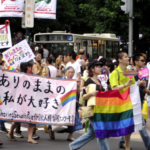
Japanese festivals, or matsuri, are vibrant celebrations deeply rooted in history. Even in highly developed cities, streets come alive during festival seasons with colorful parades, traditional music, and food stalls.
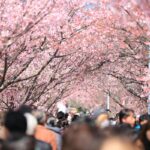
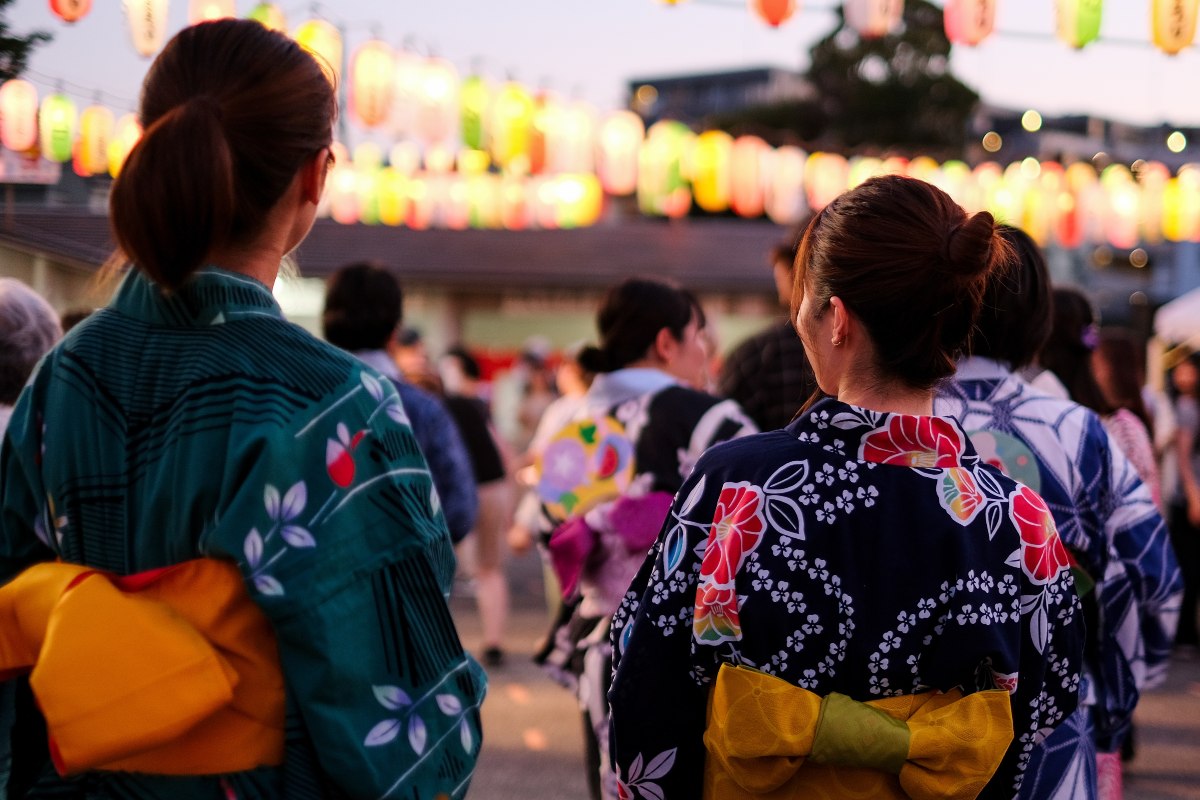
From cherry blossom viewing in spring to lantern festivals in summer, these events bring communities together. Residents wear traditional garments such as yukata and participate in dances that have been performed for centuries.
Experiencing a matsuri in a modern city highlights the dynamic relationship between contemporary life and enduring customs.
Traditional Cuisine in Modern Dining Scenes
Japanese food culture is another area where tradition thrives. While cities offer Michelin-starred restaurants and international cuisine, traditional dishes remain central to daily life.
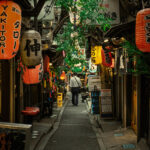
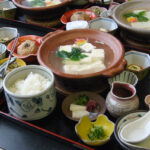
Sushi, ramen, tempura, and kaiseki meals are prepared using techniques refined over generations. Markets and family-run establishments continue to uphold authentic cooking methods, even as food delivery apps and smart ordering systems modernize the dining experience.
Visitors can explore historic food districts while enjoying the convenience of digital technology that enhances accessibility.
Fashion and Cultural Expression
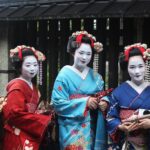
Modern Japanese fashion often draws inspiration from traditional clothing. Kimono elements appear in contemporary designs, blending heritage with modern aesthetics.
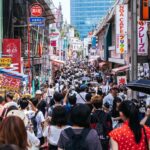
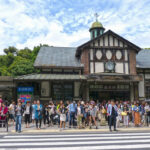
Neighborhoods like Harajuku showcase youth culture that reinterprets historical motifs into bold, creative expressions. This fusion of old and new demonstrates how tradition continues to influence modern identity.
Cultural preservation does not mean resisting change—it means evolving thoughtfully while respecting origins.
Technology Enhancing Cultural Access
Technology in Japan frequently supports cultural engagement rather than replacing it. Museums use interactive displays to explain historical artifacts. Augmented reality apps provide translations and contextual information at cultural sites.
Smartphones and online platforms make it easier for travelers to discover workshops, events, and heritage tours. Digital innovation ensures that traditional experiences remain accessible to younger generations and international visitors alike.
Preserving Craftsmanship in Urban Areas
Japanese craftsmanship, known as “monozukuri,” emphasizes dedication to detail and pride in creation. Artisans in cities continue to produce handmade goods using traditional methods.
From handcrafted knives to delicate ceramics, urban workshops maintain practices that date back centuries. Tourists can visit these studios to observe techniques and purchase authentic souvenirs that support local artisans.
By sustaining these crafts in modern settings, cities protect cultural heritage while contributing to economic vitality.
Daily Rituals and Social Etiquette
Traditional values are not limited to festivals or temples; they shape daily interactions. Respect, politeness, and attention to detail are evident in customer service, workplace conduct, and public behavior.
Simple gestures such as bowing, removing shoes indoors, and expressing gratitude reflect long-standing cultural principles. Visitors quickly notice that even in technologically advanced environments, these traditions remain deeply ingrained.
Understanding and respecting these customs enriches the travel experience and fosters meaningful connections with locals.